1. The Flow of Qi (Energy)
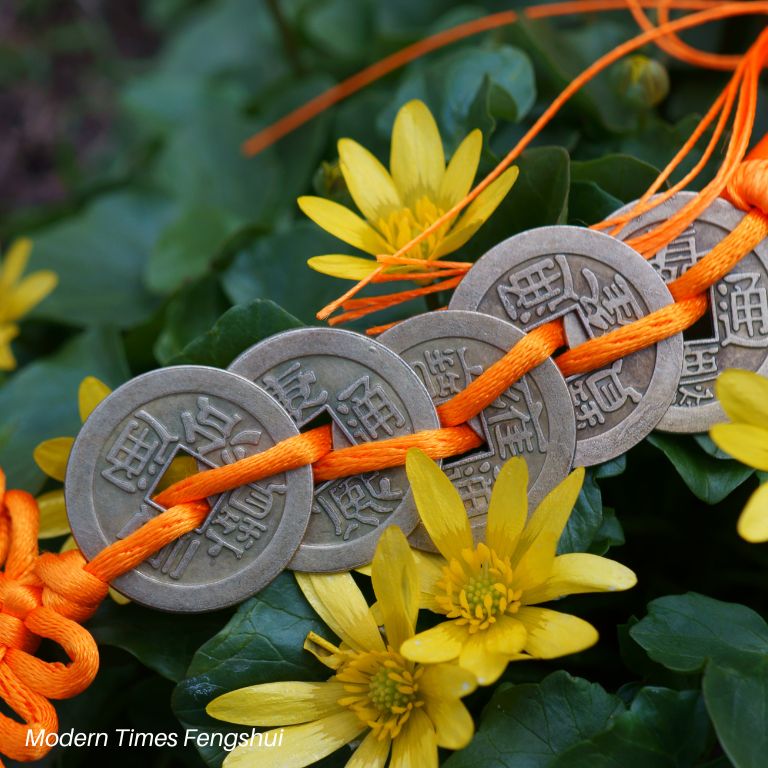
Feng Shui is all about how Qi flows through a space—be it your home, office, or even wardrobe. If Qi is blocked, stagnant, or too chaotic, it will negatively affect your well-being, relationships, and opportunities. The goal is to guide the Qi to move smoothly and beneficially.
2. The Concept of the Five Elements
Everything in Feng Shui revolves around 五行 (Wu Xing) – the Five Elements:
- Wood (木) – growth, vitality
- Fire (火) – growth, vitality– passion, energy
- Earth (土) – stability, grounding
- Metal (金) – clarity, precision
- Water (水) – flow, wisdom
These elements either support (generate) or control (overcome) each other in cycles. They’re used in selecting colors, shapes, materials, and placements to enhance the desired energy in a space.
3. The Ba Gua (八卦)
The Ba Gua means the eight directions. After determining the auspicious sectors, and aligning this Ba Gua map with your house and office’s floor plan, you can boost your luck by activating the specific areas of your house or office, depending on your goals.
- Career
- Knowledge (Children’s Learning)
- Family
- Wealth
- Fame/Recognition
- Love/Relationships
- Creativity/Children
- Helpful People/Nobleman/Travel
- Health
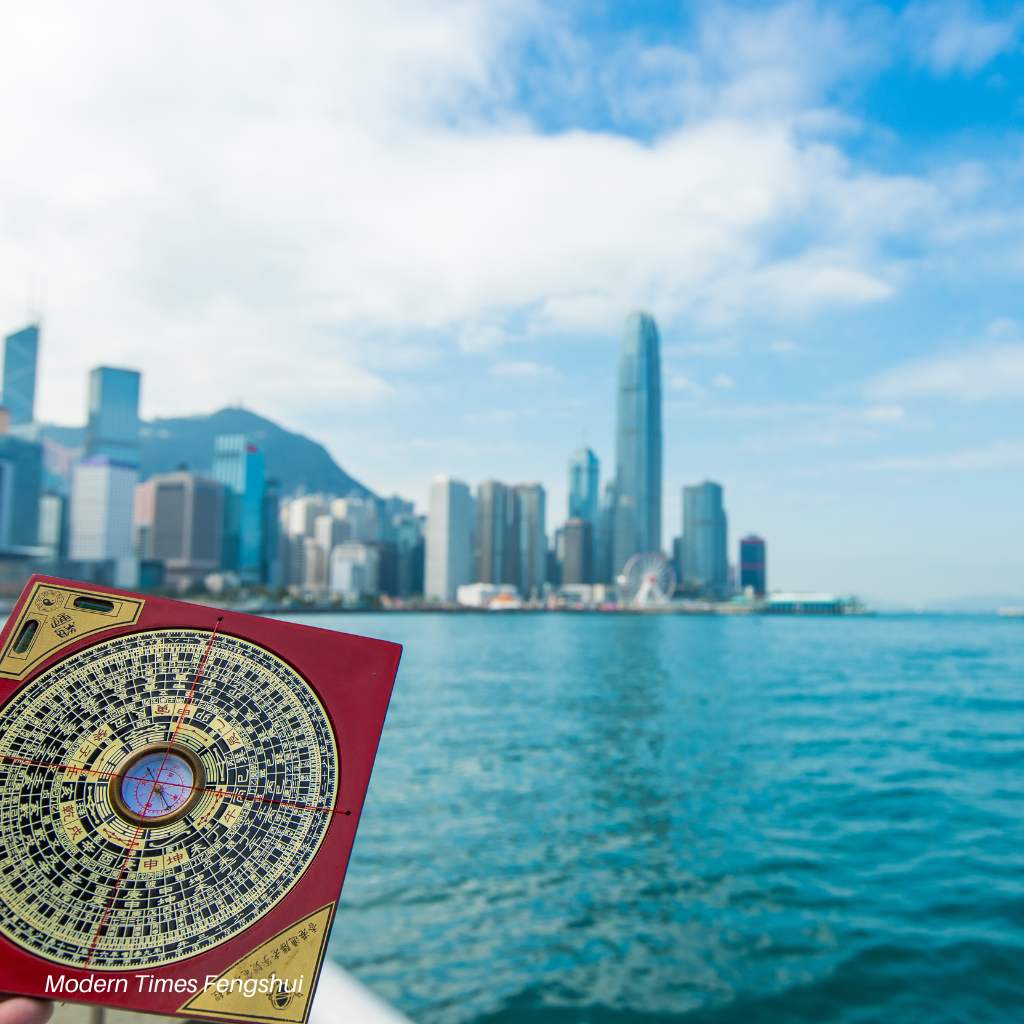
4. Direction & Compass (Luo Pan 罗盘)
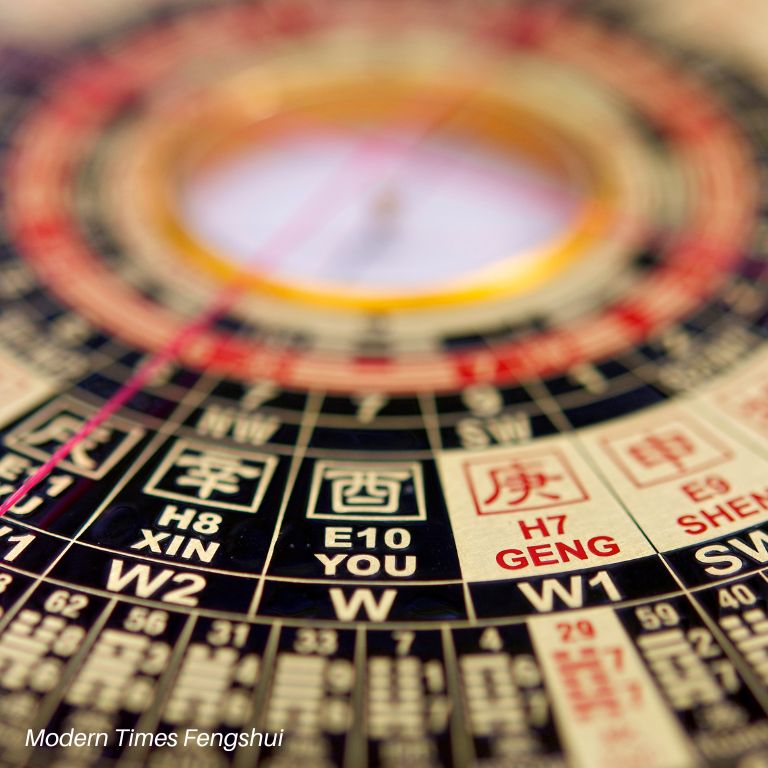
In classical Feng Shui, compass directions matter a lot, in fact the sitting of the house is measured to the degree (Yao 爻). For example, your main door direction or bed/head direction can influence the kind of energy you invite into your life.
There are different schools (like Flying Stars, Eight Mansions, etc.) that use birth dates, time cycles, and compass directions to fine-tune Feng Shui remedies.
5. Objects and Placement
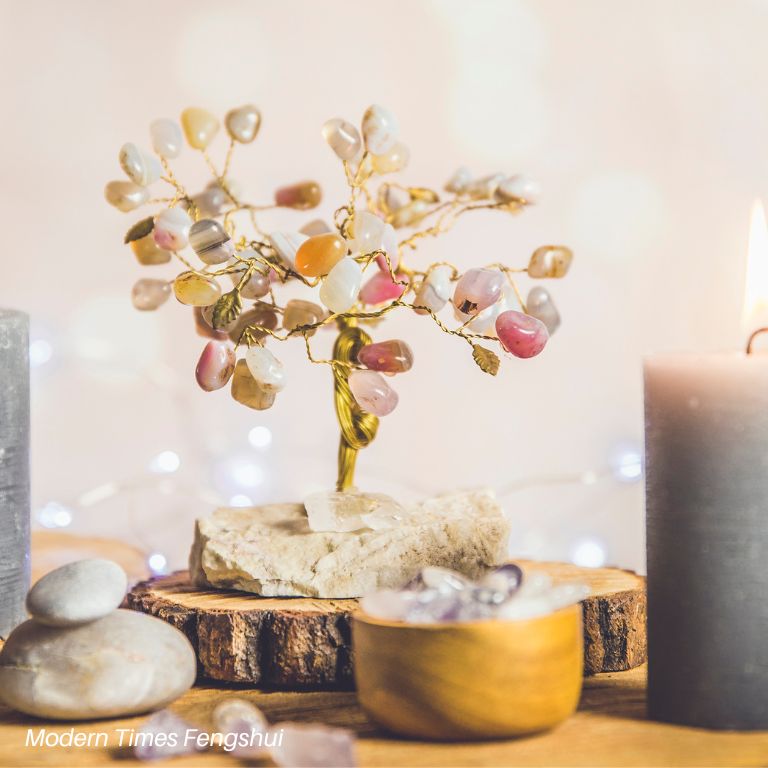
Feng Shui isn’t about superstition or just adding lucky charms—it’s very intentional. Plants, crystals, water features, and even lighting are used based on how energy behaves in your space.